
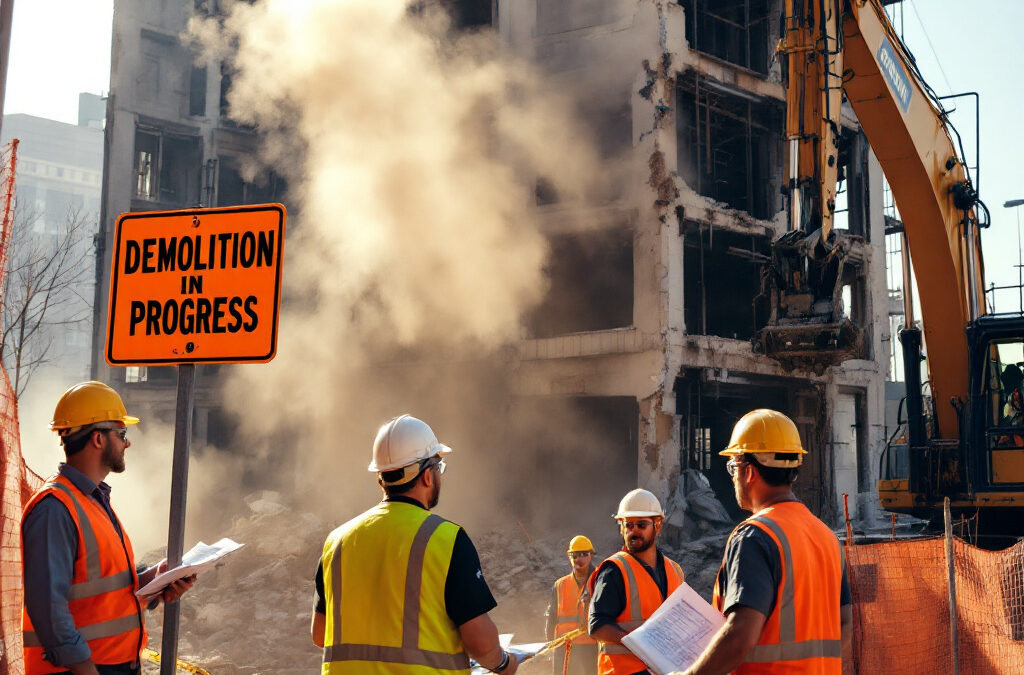
Demolition is a critical component of construction and urban development. However, engaging in demolition work without a clear understanding of the relevant regulations can lead to costly mistakes and legal challenges. It is essential to grasp the various permits and associated costs to ensure compliance and maintain safety throughout the demolition process.
What Are Demolition Regulations?
Demolition regulations refer to the legal frameworks that govern the processes involved in tearing down structures. Their primary purpose is to ensure safety, environmental protection, and adherence to local and federal laws during and after demolition activities. Understanding these regulations is vital for construction professionals, property owners, and contractors, as they mitigate risks and enhance the overall safety of demolition sites.
Types of Demolition Regulations
Local Regulations
Local regulations often include zoning laws, which dictate where demolition can occur and the types of structures that are permissible within specific areas. Additionally, local safety standards outline the required safety measures during demolition, such as worker protection protocols. Environmental considerations are also critical at the local level to ensure that demolitions do not adversely affect surrounding areas.
Federal Regulations
At the federal level, regulations are primarily enforced by agencies such as the Occupational Safety and Health Administration (OSHA) and the Environmental Protection Agency (EPA). OSHA guidelines provide safety regulations that protect workers from hazards associated with demolition work. Meanwhile, EPA rules ensure that environmental impacts, such as air quality and waste disposal, are managed effectively during demolition projects.
The Demolition Permitting Process
Obtaining a demolition permit involves several systematic steps to ensure compliance with local and federal regulations. Initially, contractors must fulfill pre-application requirements, which can involve notifying utility companies and conducting site assessments. Once these steps are completed, an application can be submitted, followed by a review process conducted by local authorities, culminating in the approval and issuance of the necessary permit.
Costs Associated with Demolition Permits
The costs associated with obtaining a demolition permit can vary significantly based on various factors. These factors include the location of the project, the type of structure being demolished, and the scale of the demolition. On average, permit fees can range from a few hundred to several thousand dollars, and it’s crucial to account for additional expenses such as inspection fees and other related costs throughout the process.
Local vs. Federal Regulations
Local and federal regulations differ substantially, reflecting the unique needs and challenges of specific communities and projects. For instance, local ordinances may impose stricter safety measures compared to federal guidelines, depending on the area’s population density or environmental concerns. It’s imperative for contractors and developers to familiarize themselves with local ordinances to ensure full compliance and avoid potential pitfalls during the demolition process.
Consequences of Non-Compliance
Failing to comply with demolition regulations can result in severe legal repercussions. Non-compliance can lead to substantial fines and penalties, which can significantly escalate the costs of a demolition project. Furthermore, breaches of regulations may hinder future construction opportunities, as non-compliance records can affect a contractor’s reputation and ability to secure necessary permits for subsequent projects.
Special Circumstances
There are special regulations concerning historic buildings, as demolishing these structures often requires additional oversight to preserve cultural heritage. Moreover, considerations around asbestos and other hazardous materials demand rigorous compliance to ensure the health and safety of workers and the public. Large-scale demolitions may also be subject to different regulations, requiring advanced environmental impact assessments and detailed planning.
Resources for Further Information
To ensure compliance with demolition regulations, several resources are available for contractors and property owners.
Visit our guides for more helpful insights:
- What to Expect During a Commercial Concrete Installation Project
- How to Choose the Right Concrete Mix for Your Commercial Project
- Key Safety Measures for Commercial Concrete Pours
- Top 7 Mistakes to Avoid in Commercial Concrete Construction
- A Contractor’s Guide to Bidding on Commercial Concrete Jobs Profitably
- Differences Between Residential and Commercial Concrete Applications
- Understanding Curing Times for Commercial Concrete Projects
- The Importance of Reinforcement in Commercial Concrete Work
- How Weather Affects Commercial Concrete Pours
- Pre-Pour Checklist for Large Commercial Concrete Jobs
Conclusion
Understanding the local and federal demolition regulations is essential for anyone involved in the demolition process. By familiarizing oneself with the necessary permits, costs, and safety standards, stakeholders can navigate the complexities of demolition projects effectively. Adhering to these regulations not only promotes safety but also ensures the successful and compliant execution of demolition activities.
Ready to get your demolition project started the right way? Call us now at (916) 562-2345 to get a personalized quote and ensure you stay fully compliant from day one.
