Introduction
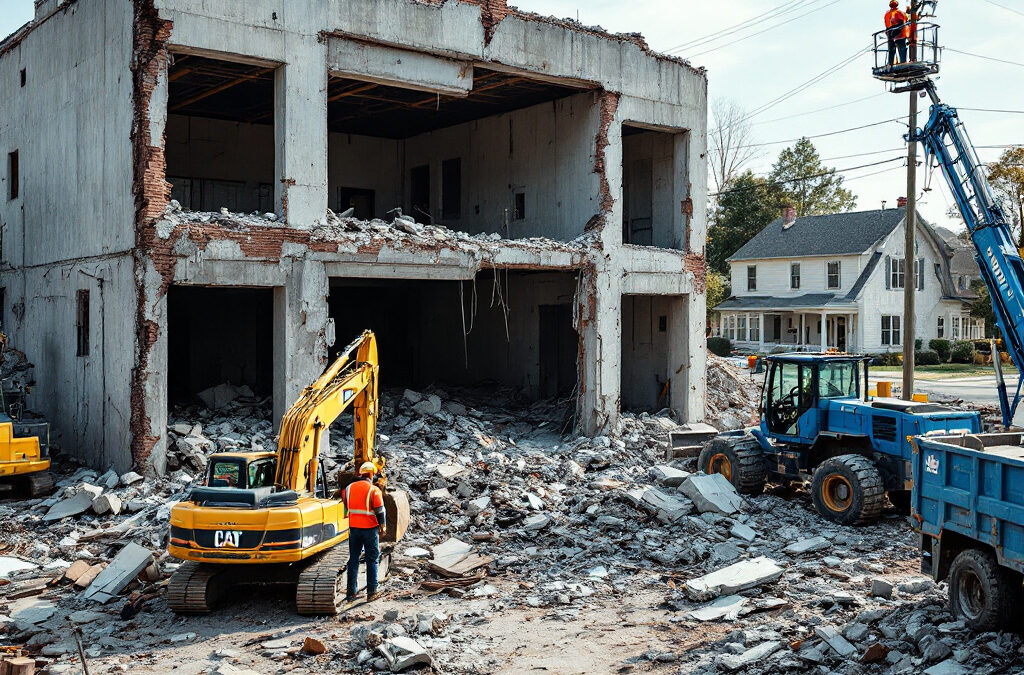
Demolition projects, whether residential or commercial, involve the systematic dismantling of structures for various purposes, including redevelopment and safety. While many property owners are fully aware of the visible costs associated with these projects, hidden costs often lurk beneath the surface, significantly impacting the overall budget. Understanding these hidden costs is crucial for effective financial planning and ensuring that demolition projects proceed smoothly without unexpected financial strain.
Overview of Demolition Costs
Common Costs Associated with Demolition
Demolition projects typically encompass several common costs that should be anticipated when planning. Initial estimates and bids provide a ballpark figure for the overall expense, yet these figures can fluctuate based on a variety of factors. Key costs include labor expenses, equipment rentals, and waste disposal fees, all of which require careful consideration to avoid overspending.
Differentiating Between Residential and Commercial Projects
Residential and commercial demolition projects can differ significantly in scale and complexity, which influences costs. Commercial demolitions tend to involve larger structures and more extensive regulations, often leading to higher initial estimates and additional costs. Understanding these distinctions helps property owners make informed decisions regarding budgeting and contractor selection. Learn more about the differences between residential and commercial concrete applications.
Hidden Costs in Demolition
Permitting Costs
Securing the necessary permits is a critical aspect of demolition that often incurs hidden costs. Various types of permits may be needed depending on local regulations, with fees and processing times varying widely. Failure to account for these costs can result in delays, ultimately affecting project timelines and budgets.
Environmental Costs
Environmental considerations play a significant role in demolition processes, particularly when hazardous materials are involved. The removal of substances like asbestos or lead requires special handling and disposal, leading to additional expenses that can be overlooked in initial estimates. Furthermore, comprehensive environmental impact assessments may also be necessary, increasing overall costs. Learn more about environmental safety measures during commercial installation.
Site Preparation and Cleanup
Proper site preparation and cleanup are vital components of any demolition project, often associated with hidden expenses. Ground testing and soil surveys ensure that the land is safe for future development, but these assessments can be costly. Additionally, landscaping restoration following demolition can add to the budget, particularly if extensive work is required to return the site to its original condition.
Utility Disconnection Fees
Before commencing demolition, disconnection of utilities such as water, electricity, and gas must be carefully coordinated. These disconnection fees, along with the scheduling of utility companies, can catch project managers off guard, resulting in delays and increased costs. It’s important to factor in these fees during the budgeting process to avoid unexpected surprises. Use a pre-pour checklist to make sure all preparatory steps are completed properly.
Unexpected Structural Issues
During demolition, unforeseen structural issues may arise, often leading to significant cost overruns. Discovering hazardous materials like asbestos or lead during the demolition process necessitates immediate remediation, incurring additional expenses. Similarly, unpredicted structural damage can exacerbate costs and complicate project schedules further. Review the top mistakes to avoid in commercial concrete construction for insights that can help with planning.
Regulatory Considerations
Local and State Regulations
Navigating local and state regulations is an essential part of any demolition project, often bringing additional compliance costs. Documentation requirements can add layers of complexity, making it imperative to budget for these potential expenses. Addressing regulatory needs upfront reduces the likelihood of delays and cost overruns later in the process. Read our contractor’s guide to bidding profitably for tips.
Impact of Non-Compliance
Failing to adhere to regulations can lead to serious repercussions, including fines and penalties. Non-compliance can halt projects, resulting in costly delays that can extend timelines and strain budgets. By ensuring compliance with all relevant regulations, property owners can mitigate these risks and streamline the demolition process. Familiarize yourself with key safety measures to avoid common setbacks.
Budgeting for Hidden Costs
Importance of Contingency Funds
Establishing a contingency fund is crucial when budgeting for demolition projects, providing a financial buffer against unforeseen expenses. A well-planned contingency can absorb the impact of hidden costs, ensuring that the project remains on track even when unexpected occurrences arise. This proactive approach helps maintain financial stability throughout the demolition process. Check out our guide on choosing the right concrete mix for durability and cost-efficiency.
Working with Experienced Contractors
Partnering with experienced demolition contractors can significantly reduce the chances of encountering unanticipated costs. Skilled professionals are adept at identifying potential hidden costs during the initial project assessment, allowing for more accurate budgeting and planning. Their expertise also ensures compliance with regulations, minimizing the risk of fines and project delays. Also, learn more about how curing times affect project timelines.
Conducting Thorough Assessments Before Commencing Work
Before breaking ground, conducting thorough assessments can unveil many potential hidden costs associated with demolition. Engaging in careful planning and analysis allows property owners to preemptively address issues such as hazardous material removal and necessary permits. This groundwork pays off in the long run, providing clarity and confidence as the project moves forward. Consider how weather can influence demolition timelines.
Conclusion
Understanding the potential hidden costs associated with residential and commercial demolition projects is essential for successful planning and budgeting. From permitting and environmental costs to unexpected structural issues, these financial surprises can significantly impact a project’s success. By taking the time to carefully plan and budget, property owners can navigate these challenges effectively and ensure a smoother demolition process.
Need expert help with your demolition project? Call us now at (916) 562-2345 to get a detailed, transparent quote and avoid costly surprises!