
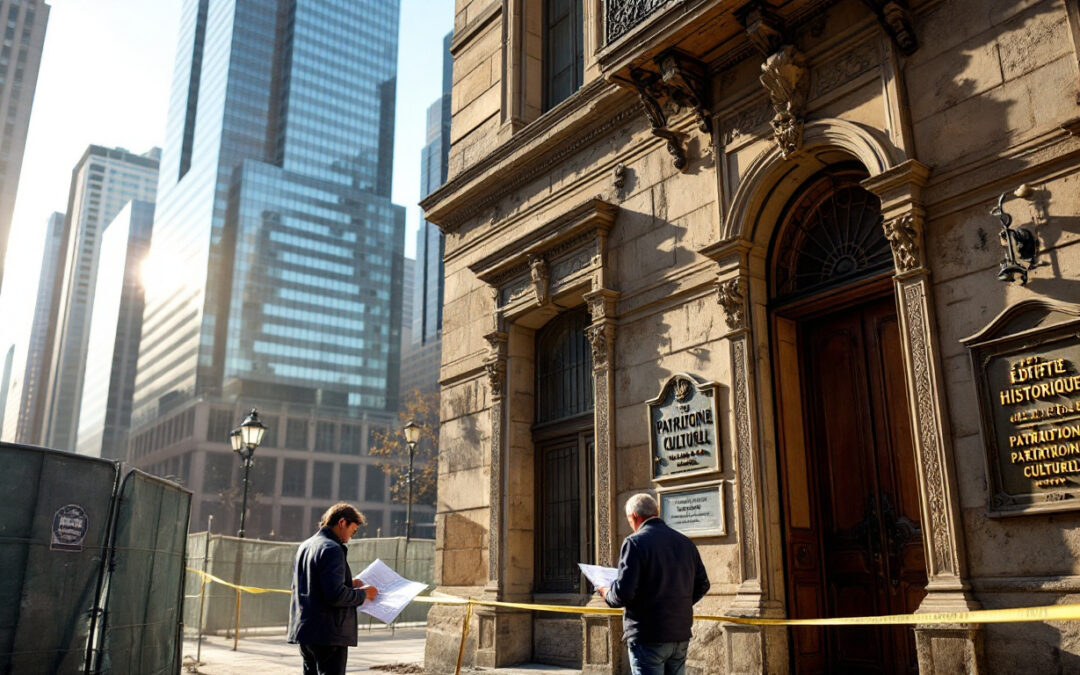
I. Introduction
Demolition permits are essential legal documents that authorize the tearing down of buildings. They ensure that demolition activities comply with local, state, and federal regulations, particularly when it comes to protecting historical structures. The preservation of historical buildings is crucial in maintaining our cultural heritage and fostering community identity.
II. Understanding Historic Buildings
A building is considered historic if it meets specific criteria, often based on its age, architectural style, historical significance, or association with notable figures or events. Designations can vary, with local authorities, state governments, and federal agencies each having their criteria for classifying historic buildings. For instance, the National Register of Historic Places recognizes sites of national significance, while local historical commissions might designate properties significant to the community.
III. Importance of Historic Preservation
Preserving historic buildings offers numerous benefits, including maintaining community character, promoting tourism, and providing educational opportunities. These structures serve as tangible links to the past, enriching our understanding of history and culture. Furthermore, the preservation of historical architecture fosters a sense of pride and continuity within communities, making them more appealing places to live and work.
IV. Overview of Demolition Permits
A demolition permit is a legal requirement that allows property owners to demolish existing structures based on defined regulations. The process for obtaining a demolition permit generally involves submitting an application that includes details about the property and the intended demolition work. Local authorities often review the application to ensure compliance with applicable laws and guidelines, particularly regarding historic structures.
V. Specific Requirements for Demolishing Historic Buildings
When demolishing a historic building, property owners must navigate a patchwork of regulations at local, state, and federal levels. Local regulations may include guidelines from historic preservation boards that review proposed demolitions. At the state and federal levels, specific requirements often focus on the historical significance of the building and the necessity of consultation with preservation agencies to promote the responsible handling of these sites.
VI. Documentation Needed for Permit Application
Applying for a demolition permit typically requires extensive documentation to assess the building’s historical significance and the overall impact of the demolition. Required forms often include a detailed project description, photographs, and site plans. Additionally, applicants may need to provide impact assessments that evaluate environmental considerations and possible effects on the surrounding community.
VII. Costs Associated with Demolition Permits for Historic Buildings
The costs associated with obtaining a demolition permit for a historic building can vary widely. Application fees are typically charged by the governing authorities, and additional expenses may arise from necessary assessments and historical documentation. Property owners should also be aware of potential fines for failing to comply with regulations, underscoring the importance of thorough preparation and adherence to legal requirements.
VIII. Challenges and Considerations
Demolishing a historic building can present several challenges, including public opposition from community members who value the structure’s historical significance. Engaging with the community and addressing concerns is critical to mitigating potential backlash. Legal challenges and appeals can further complicate the process, making it essential for property owners to explore alternatives to demolition, such as renovation or adaptive reuse, which can preserve cultural heritage while meeting modern needs.
For example, understanding environmental influences on demolition processes can be crucial. Read more about how weather affects commercial concrete pours.
IX. Case Studies
Examining case studies of historic building demolitions can provide valuable insights into best practices and cautionary tales. Successful demolitions often reflect thorough planning, community engagement, and compliance with regulations, demonstrating how to balance development needs with preservation. Conversely, failures tend to highlight the repercussions of neglecting to engage stakeholders or adhere to legal obligations, emphasizing the importance of responsible demolition practices.
To further navigate construction dynamics, explore topics like top mistakes to avoid in concrete construction and how to bid on commercial jobs profitably.
X. Conclusion
In summary, navigating the demolition permit process for historic buildings is a multifaceted endeavor that requires careful consideration of regulations, community input, and documentation. Responsible demolition practices are vital to safeguarding cultural heritage while accommodating modern development needs. By understanding and adhering to the requirements, property owners can contribute to the preservation of their community’s historical narrative.
If you’re planning a demolition or site project, call us at 916-562-2345 now to get a quote. We’re here to help you navigate through the process with expert support and care.
