
I. Introduction
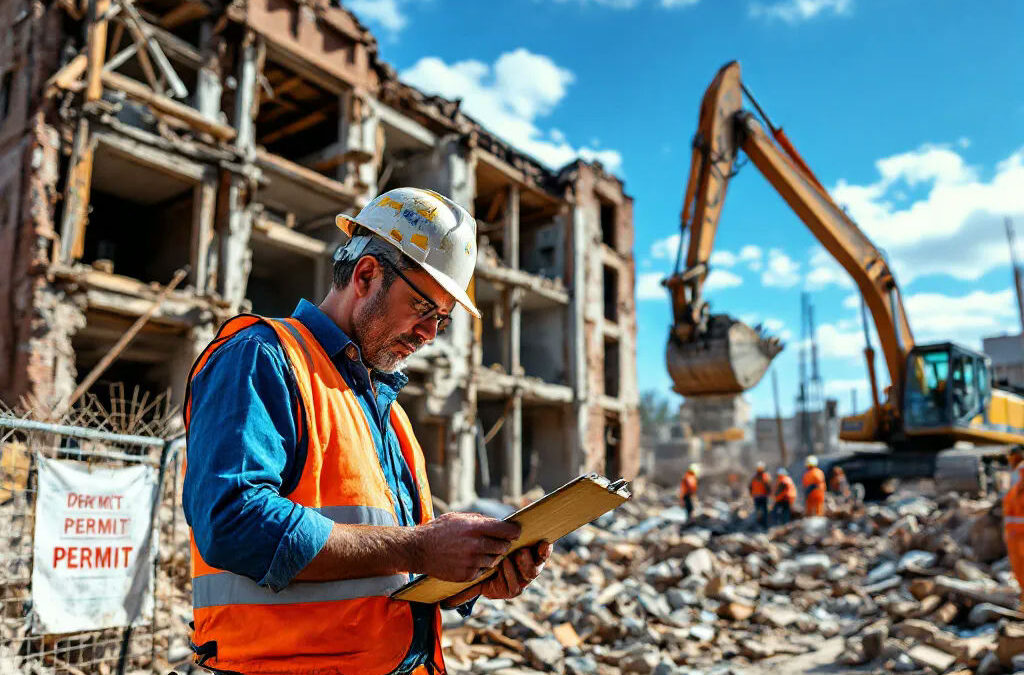
Demolition permits are mandatory approvals required by local authorities before any demolition work can be carried out. Understanding when you need a demolition permit is essential to ensure compliance with local laws and regulations. Failing to obtain the proper permits can lead to legal complications, fines, and safety hazards during and after the demolition process.
II. Understanding Demolition Permits
A demolition permit is a legal document that gives you permission to demolish a building or a structure. The primary purpose of these permits is to ensure that the demolition is carried out safely and in accordance with construction guidelines and safety regulations. Local building departments issue these permits and often have specific requirements that must be met before a permit can be granted.
III. General Guidelines for When a Demolition Permit is Required
Typically, a demolition permit is required for any significant work that alters or removes a structure. This includes residential homes, commercial buildings, and industrial facilities. Even partial demolitions, such as tearing down a wall or removing a roof, may necessitate a permit, depending on the extent of the demolition and the structural implications involved.
IV. Factors Influencing the Need for a Demolition Permit
Type of Demolition
The type of demolition plays a significant role in determining whether a permit is needed. Full demolitions require permits in almost all cases, while partial demolitions may or may not, depending on the structure’s role and integrity. Additionally, interior demolitions, such as gutting a kitchen or bathroom, may require a permit if they impact the building’s plumbing or electrical systems, while exterior demolitions typically have stricter regulations.
For more on structural implications related to concrete construction, check out our guide on concrete installation projects.
Building Age and Historical Value
Another factor is the age and historical significance of the building. Many cities have regulations protecting historical buildings from being demolished without thorough scrutiny and often require additional documentation to proceed with a permit application. Owners of older structures should consult local historical societies or preservation offices for guidance. You can also explore information about differences between residential and commercial structures.
Location and Zoning Laws
Location matters significantly when determining the necessity for a demolition permit, as zoning laws vary from one jurisdiction to another. Some areas may have stricter regulations that apply, while others may permit demolitions under relaxed guidelines. Always check with local authorities to understand specific zoning laws that may affect your project.
V. Common Exemptions from Demolition Permits
There are several circumstances under which you may not need a demolition permit. Small-scale demolition projects, such as minor renovations or removals that do not affect the structure’s safety, are often exempt. Additionally, temporary structures like tents or small storage sheds may not require permits, but it’s crucial to confirm this with local laws.
To avoid common renovation pitfalls, see our article on mistakes to avoid in construction.
VI. Steps to Obtain a Demolition Permit
To obtain a demolition permit, start by researching local regulations applicable to your region. Most jurisdictions require specific documentation such as detailed demolition plans, environmental assessments, and potentially even permits from utilities for disconnecting services. Once your documentation is ready, you’ll apply through the local building department, which will outline the fees, expected timelines, and any additional requirements.
Need help preparing the right documents? Read our preparation checklist to get started.
VII. Costs Associated with Demolition Permits
When budgeting for a demolition project, it’s essential to include the costs associated with obtaining a demolition permit. Application fees can vary greatly based on location and the scope of the project. Additionally, consider potential extra expenses, such as inspection fees and waste removal, which can emerge during the demolition process.
Understand how material choice impacts cost with this guide on choosing the right concrete mix.
VIII. Consequences of Not Obtaining a Permit
Neglecting to secure a demolition permit can lead to significant legal repercussions, including fines and orders to cease work immediately. Such violations can complicate property resale efforts, as prospective buyers may be wary of issues related to unpermitted work. Furthermore, unauthorized demolitions pose safety hazards, risking injury not only to workers but also to the public.
Safety is key to all construction efforts. Explore key safety measures to keep your site secure.
IX. Conclusion
It is crucial to understand the requirements for obtaining a demolition permit before starting any demolition project. Familiarizing yourself with local regulations helps you avoid legal troubles, fines, and safety issues. Always check with your local authorities to ensure compliance and protect your investment.
Got questions or ready to start your project? Call us now at (916) 562-2345 to get a quote and speak with our demolition experts.
